
Post
25 Japanese Matcha Powder
May
The Art of Green Gold: Why Japan’s Uji‑Region Ceremonial‑Grade Matcha Deserves a Spot in Your Kitchen
https://en.wikipedia.org/wiki/Matcha
If you’ve ever walked into a specialty tea shop and watched a barista whisk a cloud of vivid green powder into a frothy, latte‑like beverage, you’ve witnessed a ritual that dates back centuries. That powder is matcha, a finely ground, shade‑grown green tea leaf that has become a global phenomenon for its taste, its calming energy, and its impressive health credentials.
Among the countless brands that line supermarket shelves, one product stands out for its authenticity, quality, and versatility: Japanese Matcha Powder
Japanese Matcha Powder – $28.99 / 100 g
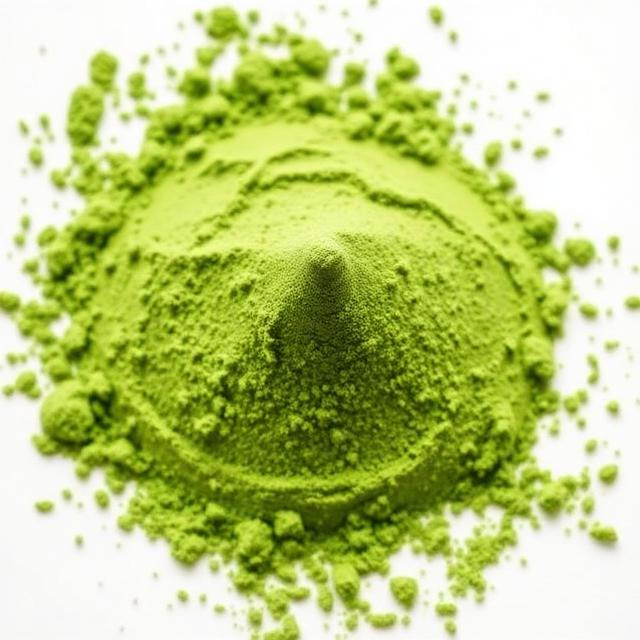
Premium ceremonial‑grade matcha sourced directly from Uji, Kyoto – the historic heart of Japan’s matcha production.
In this post we will explore:
- The story of Uji and why it matters
- What makes “ceremonial‑grade” different from “culinary‑grade”
- The chemistry behind the emerald hue: antioxidants, L‑theanine, chlorophyll, and more
- How matcha delivers calm, focused energy without the caffeine crash
- Practical ways to incorporate this matcha into drinks, cooking, and baking
- Tips for buying, storing, and preparing your powder for the best results
- A quick FAQ for the matcha‑newcomer Japanese Matcha Powder
By the end you’ll understand why a modest $28.99 investment in a 100‑gram tin of authentic Uji matcha is not just a purchase—it’s an invitation to a lifestyle that blends mindfulness, nutrition, and culinary creativity. Japanese Matcha Powder
1. Uji, Kyoto – The Birthplace of Premium Matcha
A Brief History
https://nextory.click/category/post
Uji, a city nestled on the southern edge of Kyoto, has been synonymous with high‑quality tea since the 12th century. The region’s temperate climate, well‑draining soils, and abundant misty mornings create ideal conditions for growing Camellia sinensis (the tea plant) in a way that enhances chlorophyll production and amino acid content. Japanese Matcha Powder
During the Muromachi period (1336‑1573), the Zen Buddhist monks of Kyoto’s Urasenke and Omotesenke schools refined the art of stone‑grinding tea leaves into a fine powder that could be whisked directly into hot water. This method of preparing tea—chanoyu (the tea ceremony)— Japanese Matcha Powderemphasized simplicity, harmony, and presence, values that still resonate with modern consumers seeking mindfulness in their daily rituals. Japanese Matcha Powder
Why Uji Remains the Gold Standard Japanese Matcha Powder
- Shade‑Growing Technique – About three weeks before harvest, tea bushes are covered with straw or synthetic shade cloths. This reduces sunlight, stimulating the plant to produce more chlorophyll (the vivid green pigment) and L‑theanine, an amino acid linked to relaxed alertness.
- Stone‑Grinding – Traditional matcha is ground on granite stones that rotate at a slow 30 rpm. The gentle motion prevents heat buildup, preserving delicate phytochemicals and yielding a powder that feels as smooth as talc.Japanese Matcha Powder
- Rigorous Grading – Uji matcha is classified according to leaf quality, color, and flavor profile. Ceremonial grade occupies the top tier, consisting of the youngest, most tender leaves (the first‑flush harvest).
The result? A vibrant emerald powder that swirls like a silk scarf in water, a hallmark of authenticity that cheap, mass‑produced matcha simply can’t mimic.Japanese Matcha Powder
2. Ceremonial‑Grade vs. Culinary‑Grade: What’s the Difference? Japanese Matcha Powder
| Attribute | Ceremonial‑Grade (Uji) | Culinary‑Grade |
|---|---|---|
| Leaf Selection | First‑flush, youngest leaves only | Mix of first‑ and second‑flush leaves, including stems |
| Color | Bright, vivid green (near‑laser hue) | Darker, muted green |
| Taste | Sweet, umami‑rich, low bitterness | Earthier, more astringent; designed to stand up to other ingredients |
| Texture | Ultra‑fine, silky, almost powder‑like | Slightly coarse, may feel gritty |
| Typical Use | Traditional tea ceremony, standalone drink, premium latte | Smoothies, baked goods, sauces, ice cream, energy drinks |
| Price Point | Higher (reflects labor‑intensive processing) | Lower (larger batch production) |
When you purchase Japanese Matcha Powder – $28.99 / 100 g, you are opting for ceremonial grade. That means you are getting the purest expression of Uji’s terroir, perfect for sipping straight or for elevating a latte into an aromatic, health‑boosting experience. Japanese Matcha Powder
3. The Science of Green: Antioxidants, L‑Theanine, Chlorophyll, and More
EGCG – The Superstar Antioxidant Japanese Matcha Powder
Epigallocatechin gallate (EGCG) is a catechin that dominates the antioxidant profile of green tea. In matcha, the concentration can reach up to 137 mg per gram—far higher than brewed green tea, because you consume the entire leaf. EGCG has been studied for: Japanese Matcha Powder
- Cellular protection – Neutralizes free radicals that damage DNA and cell membranes.
- Metabolic support – May increase fat oxidation during moderate exercise.
- Heart health – Helps maintain healthy blood pressure and cholesterol levels.
L‑Theanine – Calm Focus
L‑theanine crosses the blood‑brain barrier and promotes alpha‑wave activity, the brainwave pattern linked to relaxed concentration. When paired with caffeine—also present in matcha at roughly 30 mg per gram—L‑theanine smooths the stimulant’s edge, delivering alertness without the jitters often felt from coffee.
Chlorophyll – The Detoxifier
The vivid green color you see is chlorophyll, a pigment that binds to heavy metals and toxins, aiding in their elimination. It also supports oxygen transport in the bloodstream and contributes to detoxifying the liver.
Micronutrients – A Tiny Powerhouse
Per 100 g, ceremonial matcha delivers modest amounts of vitamins A, C, K, and E, as well as minerals such as potassium, calcium, iron, and zinc. While not a primary source of these nutrients, they add a nutritional edge to daily consumption.
4. Calm, Focused Energy – The Matcha Advantage Over Coffee
Many people turn to coffee for a quick energy boost, but the caffeine spike can be accompanied by a crash, anxiety, or shaky hands. Matcha’s balanced caffeine‑L‑theanine synergy yields a steady, 3‑ to 4‑hour window of alertness.
How it works:
- Caffeine binds to adenosine receptors, temporarily blocking the “sleep signal.”
- L‑theanine stimulates the release of dopamine and serotonin, neurotransmitters that improve mood and focus.
- The slow release from the whole‑leaf matrix prolongs caffeine’s effect, curbing the rapid rise and fall seen with espresso.
The net result is a “calm focus” many describe as a meditative clarity—perfect for a morning writing session, a mid‑day brainstorming meeting, or a yoga class.
5. From Cup to Kitchen: Versatile Ways to Use Uji Ceremonial Matcha
While sipping matcha straight is a cherished ritual, the powder’s fine texture and nuanced flavor make it a culinary chameleon. Below are tried‑and‑true ideas ranging from minimalist to gourmet.
5.1 The Classic Tea – The “Usucha”
| Step | Detail |
|---|---|
| Water Temperature | 160‑175 °F (70‑80 °C) – too hot destroys delicate umami |
| Amount | 1 g (≈½ tsp) per 60 ml (2 oz) of water |
| Whisking | Use a bamboo chasen; whisk in a “W” motion for 15‑20 seconds until a frothy surface forms |
| Serving | Small porcelain bowl, enjoyed slowly – no milk, no sugar (the natural sweetness shines) |
5.2 Matcha Latte – A Café‑Style Upgrade
- 1 tsp (≈2 g) ceremonial matcha
- ¼ cup hot water (160 °F) – whisk into a paste
- ¾ cup steamed oat or almond milk (or dairy)
- Optional: ½ tsp honey or maple syrup, a pinch of cinnamon
Heat the milk, pour over the matcha paste, and give a gentle stir. The result is a silky latte with less sugar than a typical coffee shop version.
5.3 Green‑Boost Smoothie
Blend:
- 1 tsp matcha
- 1 frozen banana
- ½ cup frozen mango
- 1 cup unsweetened almond milk
- 1 tbsp chia seeds
- Optional: a scoop of vanilla protein powder
The smoothie inherits matcha’s bright hue, antioxidants, and a subtle earthy note that balances fruit sweetness.
5.4 Baking – Matcha‑Infused Treats
Because ceremonial matcha is more expensive, you can reserve it for finishing touches while using culinary‑grade for the batter. Here’s a Matcha White Chocolate Chip Cookie recipe that showcases the powder’s flavor without waste:
Ingredients
- 2 ¼ cups all‑purpose flour
- 1 tsp baking soda
- ½ tsp salt
- 1 tsp Uji ceremonial matcha (for the dough) + ½ tsp for the topping
- 1 cup unsalted butter, softened
- ¾ cup brown sugar & ¾ cup white sugar
- 2 large eggs, room temp
- 2 tsp vanilla extract
- 1 ½ cups white chocolate chips
Method
- Whisk flour, baking soda, salt, and 1 tsp matcha; set aside.
- Cream butter and sugars until fluffy; add eggs, vanilla, then gradually incorporate dry mix.
- Fold in white chocolate chips.
- Scoop onto parchment‑lined sheet; bake at 350 °F for 10‑12 minutes.
- Immediately dust ½ tsp matcha mixed with a pinch of powdered sugar over warm cookies.
The result: a cookie that looks like a snow‑capped mountain, with a gentle umami undertone that complements the sweet chocolate.
5.5 Savory Applications – Matcha‑Infused Salt or Vinaigrette
- Matcha Salt – Combine ½ tsp matcha, ½ tsp sea salt, and a pinch of smoked paprika. Sprinkle over grilled fish or avocado toast.
- Matcha Vinaigrette – Whisk together 1 tsp matcha, ¼ cup rice vinegar, 1 tbsp soy sauce, 1 tsp honey, ¼ cup olive oil, and a pinch of ginger. Drizzle over mixed greens for an antioxidant‑rich salad.
6. Buying, Storing, and Preparing – Getting the Most Out of Your Tin
6.1 How to Spot Authentic Ceremonial‑Grade Uji Matcha
- Packaging – Look for sealed, opaque tins (light degrades chlorophyll). The label should specify “Uji‑Kyoto, Japan” and “ceremonial grade.”
- Color – Fresh powder appears vivid, almost neon green; a dull olive hue indicates age or oxidation.
- Price Point – Extremely low prices (<$15/100 g) are a red flag for lower‑grade or non‑Japanese sources.
6.2 Storage Guidelines
| Factor | Recommendation |
|---|---|
| Temperature | Store in a cool, dry place (ideally 45‑60 °F). Avoid heat sources like ovens or direct sunlight. |
| Light | Keep the tin closed; light oxidizes chlorophyll, turning green to brown. |
| Air | Use a small airtight container or resealable bag if you need to transfer powder. |
| Shelf Life | Unopened: up to 12 months. Opened: aim to consume within 2‑3 months for peak flavor. |
6.3 Preparing the Perfect Cup – Pro Tips
- Sift the powder through a fine mesh (about 200 µm) to eliminate clumps before whisking.
- Water Quality matters; use filtered or spring water with low mineral content.
- Whisk vigorously in a “W” pattern rather than circular; the rapid side‑to‑side motion creates micro‑bubbles, giving the drink its characteristic froth.
- Temperature Check – Too hot (>185 °F) yields bitterness; too cool (<150 °F) produces a flat taste.
7. Frequently Asked Questions (FAQ)
| Question | Answer |
|---|---|
| Is matcha actually “green tea”? | Yes. It’s the same plant (Camellia sinensis) but the leaves are shade‑grown, stone‑ground, and consumed whole, delivering a more concentrated nutrient profile. |
| Can I drink matcha on an empty stomach? | Most people tolerate it fine, but the caffeine and L‑theanine can cause mild stomach upset for very sensitive individuals. Pairing with a small snack helps. |
| How many cups per day are safe? | 1–2 servings (≈1‑2 g total) are generally considered safe and provide health benefits without excess caffeine. |
| Does the powder lose potency after opening? | Yes, oxidation gradually reduces chlorophyll and EGCG levels, which is why airtight storage and limited exposure to light are crucial. |
| Can I use this ceremonial‑grade matcha for cooking? | Absolutely, but because it’s pricier, many chefs reserve it for finishing touches (e.g., dusting desserts) while using culinary‑grade for bulk batter. |
8. Bringing It All Together – Why This $28.99 Tin Is Worth It
- Authenticity – Directly sourced from Uji, the birthplace of matcha, ensuring you experience the same flavor profile centuries ago revered by Zen monks.
- Quality – Stone‑ground, shade‑grown tencha leaves produce a silky texture and vibrant green color that immediately signals premium status.
- Health Powerhouse – Concentrated EGCG, L‑theanine, chlorophyll, and micronutrients deliver antioxidant protection, calm focus, metabolic support, and detoxification—all in a single spoonful.
- Versatility – From the traditional Usucha to modern lattes, smoothies, baked goods, and savory twists, this matcha adapts to any culinary ambition.
- Mindful Ritual – The act of whisking, inhaling the vegetal aroma, and sipping slowly cultivates a moment of presence, a small but potent antidote to today’s hectic pace.
At $28.99 for 100 g, you are not just buying tea; you are investing in a daily ritual, a nutrient‑dense beverage, and a culinary canvas that can elevate ordinary meals into extraordinary experiences.
9. Ready to Make the Switch?
If you’re searching for a premium, authentic, and versatile matcha, look no further than our Japanese Matcha Powder from Uji. Whether your goal is to boost morning focus, enhance a post‑workout smoothie, or impress guests with an artisanal latte, this tea delivers on flavor, health, and heritage.
Grab your tin today for $28.99/100 g and start your own green‑gold journey.
Pro tip: Pair your first cup with a few minutes of mindful breathing—let the vibrant green swirl remind you that health, clarity, and calm are just a whisk away.
Enjoy the ceremony. Embrace the benefits. Celebrate the flavor.
Happy sipping, and happy creating!
