
Post
37 Quinoa Flakes
Jun
Quinoa Flakes: The Versatile Superfood for Modern Nutrition
https://en.wikipedia.org/wiki/Quinoa
In the ever-evolving world of health and wellness, few grains have managed to maintain the “superfood” status quite like quinoa. While the traditional whole grain has been a pantry staple for health enthusiasts for decades, its more convenient, faster-cooking cousin—Quinoa Flakes—is rapidly gaining traction.
Whether you are a nutrition-conscious professional looking to streamline your morning routine, an athlete seeking sustained energy, or someone managing gluten sensitivities, quinoa flakes offer a nutrient-dense, versatile, and delicious solution. This comprehensive guide explores why this humble flake deserves a permanent spot in your kitchen.
What Exactly Are Quinoa Flakes?
Quinoa flakes are produced by steaming and rolling whole quinoa grains into delicate, thin flakes. Imagine the process used to turn steel-cut oats into rolled oats; the same principle applies here. This mechanical process preserves the integrity of the grain while significantly reducing cooking time.
Unlike refined grains, where the bran and germ are stripped away, quinoa flakes retain the nutrient profile of the original seed. They hold onto their nutty, earthy flavor profile, making them an excellent base for sweet or savory dishes alike.
The Nutritional Powerhouse: Why Quinoa Flakes?
Quinoa is historically referred to as the “Mother of All Grains” by the Incas, and for good reason. When transformed into flakes, these nutritional benefits remain intact.
1. A Rare Plant-Based Complete Protein
Most plant-based proteins are “incomplete,” meaning they lack one or more of the essential amino acids required by the human body. Quinoa is one of the distinct exceptions in the plant kingdom. It contains all nine essential amino acids, including lysine—a nutrient often lacking in other grains. This makes quinoa flakes an essential protein source for vegans, vegetarians, and anyone looking to optimize protein intake.
2. Complex Carbohydrates and Low Glycemic Index
Energy crashes are a byproduct of refined carbohydrates that spike blood sugar quickly. Quinoa flakes provide complex carbohydrates that break down slowly, offering a steady, sustained release of glucose into the bloodstream. This makes them an ideal fuel source for long workdays or intense workout sessions.
3. A Gluten-Free Hero
For the estimated millions of people living with Celiac disease or non-celiac gluten sensitivity, finding versatile grains can be a challenge. Quinoa flakes are naturally gluten-free, providing the hearty texture of wheat-based cereals without the digestive distress associated with gluten consumption.
4. Rich in Fiber and Micronutrients
Quinoa flakes are an excellent source of dietary fiber, promoting digestive health and long-term satiety. Beyond macronutrients, they are packed with:
- Magnesium: Vital for muscle relaxation and nerve function.
- Iron: Essential for blood health and energy levels.
- Manganese: A powerful antioxidant that supports bone health.
- Folate: Important for cellular repair and DNA synthesis.
Culinary Versatility: Beyond the Breakfast Bowl
While many people equate “flakes” with morning porridge, quinoa flakes are surprisingly versatile, lending themselves to both culinary innovation and traditional cooking.
The Breakfast Upgrade
Swap your traditional rolled oats for quinoa flakes. They cook in less than 3 minutes, creating a light, creamy porridge. Enhance your bowl with almond butter, fresh berries, chia seeds, or a drizzle of maple syrup for a balanced breakfast that keeps you full until lunch.
The “Secret” Binder
Quinoa flakes are an excellent, healthier alternative to breadcrumbs. Use them to bind meatloaf, turkey burgers, or veggie patties. Because they are delicate, they provide a lighter texture than dense breadcrumbs while adding a subtle, sophisticated nutty flavor.
https://nextory.click/category/post
Baking and Texture
Incorporate quinoa flakes into your favorite muffin, cookie, or scone recipes. They add a rustic texture and an extra boost of protein to baked goods. For those who enjoy homemade granola or protein bars, quinoa flakes add a delightful crunch when lightly toasted in the oven with honey or agave.
Quick Savory Sides
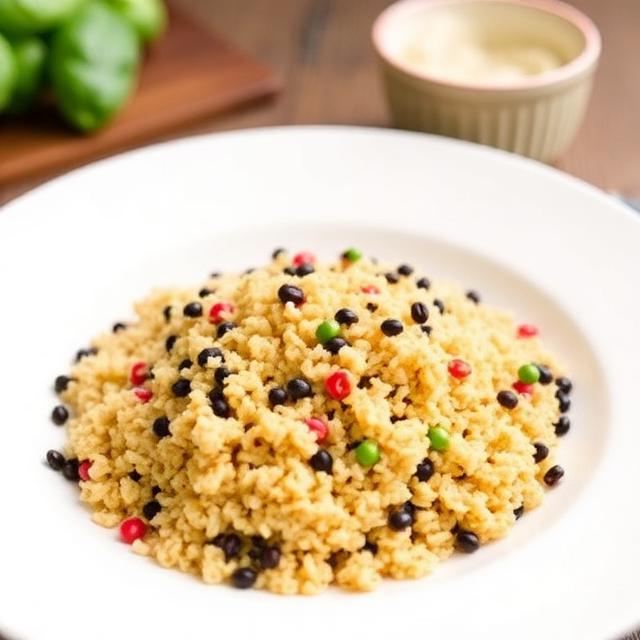
Treat quinoa flakes like quick-cooking couscous. Stir them into vegetable broths, add a dash of turmeric and cumin, and serve them alongside grilled fish or roasted vegetables. Their ability to absorb flavors makes them a perfect canvas for your favorite spices.
How to Prepare Quinoa Flakes
Simplicity is the hallmark of this ingredient. To prepare a standard batch:
- Ratio: Use a 1:2 ratio. One part quinoa flakes to two parts liquid (water, dairy milk, or plant-based milk).
- Boil: Bring your liquid to a gentle simmer.
- Combine: Stir in the flakes.
- Finish: Reduce heat and cook for 90 seconds to 2 minutes.
- Rest: Remove from heat and let sit for a minute. The flakes will absorb the liquid and thicken to your desired consistency.
Tip: Toast the dry flakes in a pan over medium heat for 2–3 minutes before adding liquid to unlock a deeper, toastier flavor profile.
Sustainable and Ethical Sourcing
As global interest in quinoa has grown, so has the importance of sustainable agriculture. We prioritize sourcing that works directly with cooperatives in the Andean highlands. By supporting conscientious brands, you aren’t just choosing a healthier breakfast; you are contributing to a supply chain that respects the traditional farming practices of indigenous communities and prioritizes environmental stewardship.
Frequently Asked Questions (FAQ)
Are quinoa flakes and rolled oats interchangeable?
Yes, in most recipes, they can be swapped 1:1. However, quinoa flakes have a slightly earthier flavor and a lighter, more delicate texture. If you are baking, keep in mind that they absorb moisture slightly differently, so you may need to adjust your liquid ratio by a small margin.
Can I eat them raw?
Technically, yes, because they are pre-steamed during the flaking process. However, they are significantly more palatable and easier to digest if they are cooked or soaked.
Do quinoa flakes contain saponins?
Raw whole quinoa seeds are coated in a bitter substance called saponin. However, commercial quinoa flakes have been thoroughly washed and processed to remove this coating, ensuring they have a sweet, clean, and nutty taste.
Conclusion: Elevate Your Nutrition Strategy
In a world filled with processed convenience foods, quinoa flakes stand out as a beacon of natural, functional nutrition. They offer a rare combination of convenience, culinary flexibility, and dense micro-nutrition that is hard to find in other pantry staples.
By incorporating quinoa flakes into your diet, you aren’t just swapping out a grain—you are committing to a lifestyle that values high-quality fuel, sustainable sourcing, and digestive wellness. Whether you are prepping a fast breakfast for the family or experimenting with new savory recipes for the dinner table, quinoa flakes are the ultimate companion for the health-conscious individual.
Ready to transform your pantry? Discover the power of quinoa flakes today and experience the perfect harmony between convenience and health.
Disclaimer: While quinoa flakes are a healthy addition to most diets, please consult with a healthcare professional or nutritionist if you have specific dietary concerns, allergies, or underlying health conditions.
