
Post
38 Flaxseed Meal
Jun
Flaxseed Meal: Nature’s Golden Superfood for Vitality and Health
https://en.wikipedia.org/?title=Flaxseed&redirect=no
Welcome to the ultimate guide on flaxseed meal—a nutritional powerhouse that has transitioned from an ancient medicinal crop to a staple in the modern health-conscious kitchen. Whether you are a professional baker, a vegan athlete, or someone looking to optimize their daily heart health, flaxseed meal offers a versatile, nutrient-dense solution that fits seamlessly into any lifestyle.
What is Flaxseed Meal?
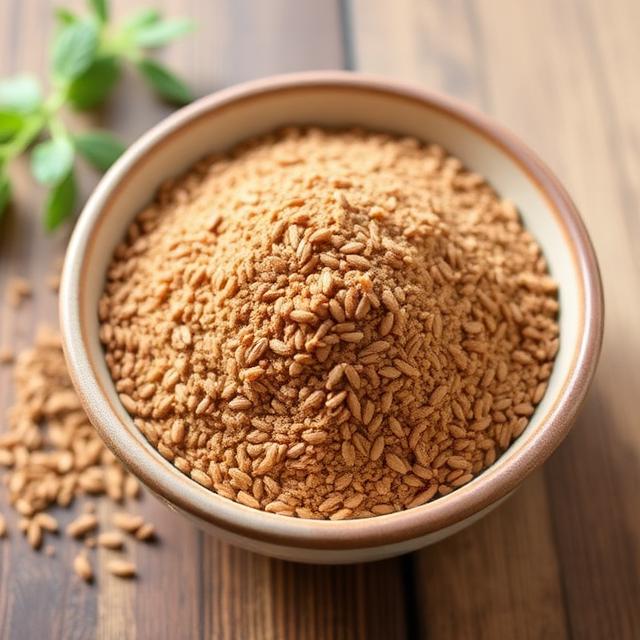
Flaxseed meal, often referred to as ground flaxseed or flax flour, is created by milling whole flaxseeds (Linum usitatissimum) into a fine, nutty-flavored powder. While the whole seed is a nutritional marvel in its own right, the meal is significantly more bioavailable. Because the outer shell of the flaxseed is tough and resistant to human digestive enzymes, grinding the seed ensures that your body can fully absorb the vital omega-3 fatty acids, proteins, and minerals locked within.
Often called “the gift of nature,” flax has been cultivated for thousands of years. Today, it is celebrated by nutritionists and culinary experts alike for its unique profile of healthy fats and fiber.
The Nutritional Profile: Why Flaxseed Meal Matters
To understand why flaxseed meal deserves a place in your pantry, we must look at the science of what’s inside. A standard two-tablespoon serving of high-quality flaxseed meal offers a robust nutritional bouquet:
1. Alpha-Linolenic Acid (ALA)
Flaxseed is one of the richest plant-based sources of ALA, an essential omega-3 fatty acid. Unlike other fats, your body cannot produce ALA on its own; you must obtain it through diet. Omega-3s are critical for reducing inflammation, supporting brain function, and maintaining heart health.
2. Dietary Fiber
Flaxseed meal is a dual-threat when it comes to fiber, containing both soluble and insoluble types. Soluble fiber helps regulate blood sugar levels and cholesterol, while insoluble fiber promotes healthy digestion and keeps your system moving smoothly.
3. Lignans: The Hidden Antioxidant
Flaxseeds are the richest dietary source of lignans—plant compounds that act as powerful antioxidants. Studies suggest that lignans play a significant role in hormonal balance and may help protect cells from oxidative stress.
4. High-Quality Protein
For plant-based eaters, flaxseed meal is a fantastic way to boost protein intake. It contains all the essential amino acids, making it a “complete” plant-based protein source that supports muscle repair and sustained energy.
Health Benefits: A Deep Dive
Integrating flaxseed meal into your daily routine is not just a diet trend; it is a long-term investment in your well-being.
Heart Health and Cholesterol Management
Heart disease remains a global health priority. The combination of ALA, fiber, and phytochemicals in flaxseed meal works synergistically to help lower LDL (the “bad”) cholesterol and stabilize blood pressure, effectively supporting cardiovascular longevity.
Digestive Wellness
The mucilaginous fiber in flaxseed acts as a natural prebiotic. It encourages the growth of healthy gut bacteria, which is essential for a robust immune system and optimal nutrient absorption. Regular consumption can assist in preventing constipation and maintaining a healthy digestive rhythm.
Hormone Balance and Women’s Health
The lignans in flaxseed possess weak estrogenic properties. For many, this helps in balancing hormones, particularly during hormonal fluctuations. Ongoing research continues to explore how these compounds support breast and prostate health.
Sustained Energy and Blood Sugar Control
Because of its high fiber and protein content, flaxseed meal has a low glycemic index. When added to a meal, it slows the absorption of glucose into the bloodstream, preventing the dreaded “afternoon energy crash” and keeping you satiated for longer.
Culinary Applications: How to Use Flaxseed Meal
One of the greatest attributes of flaxseed meal is its incredible versatility. It has a mild, earthy, slightly nutty flavor that enhances almost any dish without overpowering the ingredients.
The “Flax Egg”: A Vegan Baking Secret
If you are a baker, you likely know the magic of the “flax egg.” By mixing one tablespoon of flaxseed meal with three tablespoons of water and letting it sit for five minutes, you create a gelatinous mixture that mimics the binding properties of an egg. It is perfect for pancakes, cookies, muffins, and quick breads.
Enhancing Your Breakfast
- Oatmeal & Porridge: Stir a generous spoonful into your morning oats for added texture and a boost of healthy fats.
- Smoothies: Blend it into your post-workout shake. It adds a silky texture and keeps you full until lunch.
- Yogurt Bowls: Sprinkle it over Greek yogurt and fresh berries for a balanced snack.
The Savory Side
- Breading & Coating: Mix flaxseed meal into breadcrumbs for a healthier, more nutrient-dense coating for fish or chicken.
- Meatless Patties: Use it as a binder in veggie burgers or lentil loafs to hold your ingredients together while adding a protein kick.
- Salad Dressings: Whisk it into vinaigrettes for added body and a subtle nutrient boost.
Storage and Freshness: Protecting the Nutrients
Because flaxseed meal is rich in healthy polyunsaturated fats, it is susceptible to oxidation if left exposed to light, heat, or oxygen. To ensure you are getting the full nutritional benefit:
- Refrigerate or Freeze: Keep your flaxseed meal in an airtight, opaque container in the refrigerator or freezer. This prevents the delicate ALA oils from going rancid.
- Buy Smaller Quantities: Unless you are using it in high volume, purchase smaller bags more frequently to ensure the product you reach for is always fresh.
- Check for Odor: Fresh flaxseed meal should have a mild, nutty aroma. If it smells “off,” soapy, or bitter, it has oxidized and should be discarded.
Frequently Asked Questions (FAQs)
Q: Is it better to buy whole seeds or pre-ground meal? A: Buying whole seeds and grinding them in a coffee grinder right before use is technically the most “fresh” method. However, commercially processed, high-quality cold-milled flaxseed meal is highly convenient and stays stable for months if stored properly.
Q: Are there any side effects to eating flaxseed meal? A: Flaxseed is high in fiber. If you aren’t used to a high-fiber diet, introduce it gradually. Additionally, always drink plenty of water to help the fiber move through your digestive system effectively.
Q: Can I eat flaxseed meal if I am on medication? A: Because flaxseed can lower blood sugar and blood pressure, if you are currently taking medications for diabetes or hypertension, it is wise to consult with your physician before making it a daily staple.
The Professional’s Choice: Our Commitment to Quality
When choosing a flaxseed meal, purity and sourcing matter. Our flaxseed meal is sourced from non-GMO, sustainably farmed fields. It is cold-milled to preserve the integrity of the essential fatty acids and packaged in light-resistant, airtight materials to ensure that when it reaches your kitchen, it is as nutrient-dense as the day it was harvested.
We believe that small, consistent changes in our diet lead to the biggest transformations. Whether you are whisking it into a morning smoothie or folding it into your favorite bread recipe, you are choosing a path of vitality, heart health, and digestive wellness.
Elevate your nutrition. Experience the flax difference today.
Disclaimer: This content is for informational purposes only and does not constitute medical advice. Please consult with a healthcare professional before adding significant changes to your diet, especially if you have existing medical conditions or allergies.
https://nextory.click/category/post
