
Post
56 Kale Chips
Jun
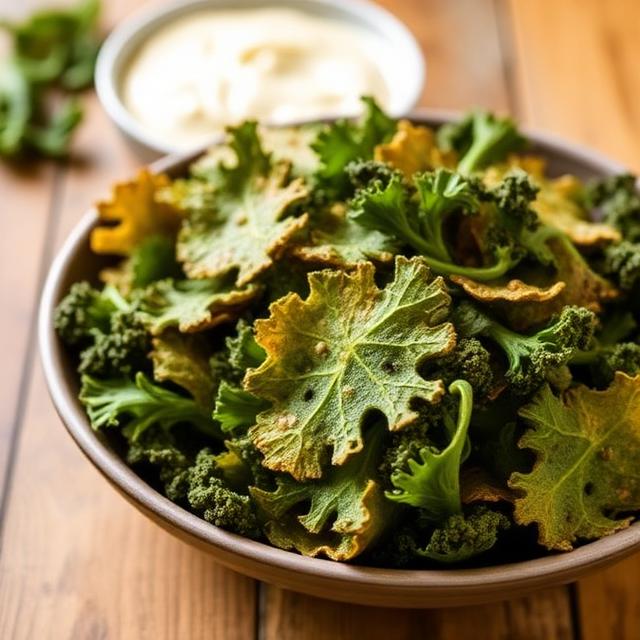
The Ultimate Guide to Kale Chips: Nature’s Perfect Crunch
https://en.wikipedia.org/wiki/Kale
In the landscape of modern snacking, where processed sugars and heavy starches often dominate, kale chips have emerged as the gold standard for health-conscious foodies. Once relegated to a decorative garnish on restaurant plates, kale has been transformed into a crispy, savory, and nutrient-dense powerhouse that satisfies even the most demanding snack cravings.
Whether you are a seasoned vegan, a fitness enthusiast, or simply someone looking to upgrade your pantry, kale chips offer a sophisticated alternative to traditional potato chips. This guide explores the science, the craft, and the culinary versatility of the world’s most popular leafy snack.
The Nutritional Profile: Why Kale Reigns Supreme
To understand why kale chips have earned a permanent spot in the “superfood” hall of fame, one must look at the leaves themselves. Kale is a member of the Brassica oleracea family, sharing lineage with cabbage, broccoli, and Brussels sprouts.
1. A Vitamin Powerhouse
Kale is densely packed with vitamins A, K, and C. A single serving of kale chips provides a significant portion of your daily recommended intake of Vitamin K—essential for bone health and blood clotting. The presence of Vitamin C supports immune function, while the beta-carotene in Vitamin A is vital for vision and skin health.
2. The Power of Antioxidants
Kale is rich in powerful antioxidants including quercetin and kaempferol. These compounds help counteract oxidative damage in the body, potentially reducing inflammation and protecting against cellular aging. By dehydrating or baking kale, you are concentrating these nutrients into a portable, shelf-stable format.
3. Low Calorie, High Satisfaction
Compared to fried potato chips, which are often laden with saturated fats and empty calories, kale chips provide a high fiber content. Fiber keeps you satiated longer, preventing the “snack-crash” often associated with refined carbohydrates.
The Art of the Process: Crafting the Perfect Chip
Creating the perfect kale chip is a balancing act of moisture control, heat, and seasoning. It is less about “cooking” and more about “transforming.”
Selecting the Right Leaf
Not all kale is created equal. Curly Kale is the industry standard for chips. Its ruffled edges provide a greater surface area for seasoning to cling to, and those edges crisp up beautifully in the oven, creating that sought-after, delicate shatter. Lacinato (Dino) Kale, while flatter, offers a heartier, more uniform chip that is excellent for dipping.
The Prep Work: Success is in the Drying
The cardinal sin of kale chip making is moisture. If the kale is damp when it enters the oven, it will steam rather than crisp.
- Thorough Washing: Rinse your kale well to remove any lingering grit.
- The Dehydration Phase: Use a salad spinner to remove excess water, then lay the leaves on a clean kitchen towel. Pat them dry until they are completely moisture-free.
- Massaging the Greens: If you are applying a marinade or oil-based seasoning, massage it into the leaves gently. This breaks down the tough cell structure of the kale, ensuring a tender, crispy texture rather than a tough, leathery one.
The Temperature Sweet Spot
To achieve a vibrant green color without the bitter, burnt taste, heat management is mandatory.
- Low and Slow: The ideal oven temperature is between 250°F and 300°F (120°C–150°C). This allows the moisture to evaporate slowly while the leaf crisps.
- Airflow: If using a standard oven, place your baking sheets on the center rack and rotate them halfway through the cooking time to ensure even distribution of heat.
Flavor Profiles: From Classic to Avant-Garde
The beauty of the kale chip lies in its neutral, earthy base, which acts as a blank canvas for culinary creativity. Here are some ways to elevate your batch:
The “Nacho” Experience (The Crowd Pleaser)
Combine nutritional yeast, cashews (processed into a fine powder), garlic powder, onion powder, and a touch of chili powder. Nutritional yeast is the secret weapon here; it provides a nutty, “cheesy” flavor without the dairy, making the chips irresistibly savory.
The Umami Upgrade
For a deeper, more complex flavor, incorporate a dash of liquid aminos or tamari into your oil mixture. When paired with sesame seeds and a pinch of ginger powder, you achieve an Asian-inspired profile that is sophisticated and deeply satisfying.
The Zesty Citrus
Nothing cuts through the earthiness of kale quite like acid. A light spritz of fresh lime juice combined with sea salt and smoked paprika creates a bright, smoky flavor profile that mimics high-end artisanal tortilla chips.
Industrial vs. Homemade: The Quality Gap
While store-bought kale chips are a convenient option for the on-the-go professional, there are distinct differences to look for when choosing commercial brands:
- Manufacturing Method: High-quality brands utilize low-temperature dehydration rather than high-heat frying. Dehydration preserves the live enzymes and delicate vitamins that heat often destroys.
- The Ingredient List: Look for simplicity. A premium kale chip label should read: Kale, Oil (usually olive or sunflower), Seasoning. If you see a list of chemical preservatives or high-fructose corn syrup, put it back.
- The “Oil” Factor: Be mindful of the fat source. Cold-pressed extra virgin olive oil or high-oleic sunflower oil are superior to generic, highly processed vegetable oils.
Kale Chips as a Culinary Ingredient
Do not limit your kale chips to snack time. They are a versatile culinary tool that can enhance various dishes:
- Garnish Sophistication: Use crushed kale chips to top a creamy soup or a bowl of roasted squash. They provide the necessary crunch to contrast with soft textures.
- Salad “Croutons”: Instead of processed bread croutons, crumble kale chips over your salads. You get the same satisfying texture without the refined flour.
- The Ultimate Dip Vehicle: Use larger, sturdier Dino kale chips as vessels for avocado hummus, white bean dip, or tzatziki.
Storage and Longevity: Keeping the Crunch
The biggest challenge with kale chips is keeping them crisp. Kale naturally attracts moisture from the air (hygroscopy).
- The Airtight Rule: Store your chips in an airtight container immediately after they have cooled completely. If they are even slightly warm when packed, condensation will form, leading to “soggy-gate.”
- Revival Strategy: If your chips lose their snap, don’t throw them away! Simply place them on a baking sheet in a 300°F oven for 3–5 minutes. They will crisp right back up to their original glory.
Conclusion: A New Snack Paradigm
Kale chips represent the evolution of the modern diet—a movement toward snacks that are not only delicious but also purposeful. They bridge the gap between hedonistic snacking and nutritional responsibility. Whether you are prepping them in your own kitchen on a Sunday afternoon or grabbing a bag from your local grocer, kale chips prove that “health food” does not have to be a compromise.
In a world full of empty calories, choose the leaf that gives back. Whether you enjoy them smoky, spicy, cheesy, or simply with a touch of sea salt, kale chips are a testament to the fact that when you treat nature’s ingredients with respect, the result is nothing short of extraordinary.
Crunch responsibly.
https://nextory.click/category/post
