
Post
6 Peruvian Quinoa
May
The “Mother of All Grains”: Why Peruvian Quinoa Deserves a Spot on Your Plate
Price: $16.99 / 500 g 6 Peruvian Quinoa
https://en.wikipedia.org/wiki/Quinoa
If you’ve been navigating the ever‑expanding world of health foods, you’ve probably heard the name quinoa whispered in grocery aisles, smoothie bowls, and Instagram captions. But not all quinoa is created equal. The variety that truly lives up to its nickname—the “Mother of All Grains.”—is Peruvian Quinoa harvested straight from the lofty, windswept slopes of the Andes Mountains.
In this deep‑dive, we’ll explore the fascinating story behind this ancient superfood, break down why its nutrition profile puts it in a league of its own, and give you a pantry‑to‑plate roadmap that makes cooking with quinoa effortless, delicious, and—most importantly—sustainable. By the time you finish reading, you’ll understand why the $16.99 price tag for a 500‑gram bag isn’t just justified; it’s an investment in your health, the environment, and the livelihoods of the farming families that have tended these seeds for centuries.
1. From the Andes to Your Kitchen: A Brief History Peruvian Quinoa
1.1 Ancient Roots
Quinoa (pronounced keen‑wah) is a member of the Chenopodiaceae family, a humble cousin of beets, spinach, and Swiss chard. Its cultivation dates back 5,000–7,000 years, making it one of the world’s oldest domesticated crops. The ancient Inca civilization revered it as sacred, referring to it as “chisaya mama,” or “mother grain.” They believed the plant held a spiritual connection to the Earth, a belief echoed today in the way modern consumers treat quinoa as a “superfood.” Peruvian Quinoa
1.2 The Geographic Sweet Spot
The Andes Mountains—stretching across Peru, Bolivia, Ecuador, and Colombia—provide a unique micro‑climate that is perfect for quinoa’s growth patterns:
| Factor | Why It Matters |
|---|---|
| Altitude (2,500–4,000 m) | Thin air forces the plant to develop a dense seed coat, protecting nutrients. |
| Temperature swings (day/night) | Encourages a resilient plant with higher antioxidant levels. |
| Poor, rocky soils | Quinoa thrives where other crops fail, making it an ecological “rockstar.” |
It’s this exact terroir that imparts Peruvian quinoa with:
- Higher protein density
- Richer mineral content (especially magnesium, iron, and zinc)
- A distinct, slightly nutty flavor
When you open a bag of our Peruvian quinoa, you’re tasting the very essence of the Andean highlands.
1.3 Cultural Revival
During the 20th century, quinoa fell out of favor as Western diets shifted toward wheat, rice, and corn. However, the 1980s saw a global resurgence driven by nutritionists, athletes, and vegans seeking a plant‑based complete protein. Peruvian farmers, many of them small‑holder families, responded to this demand by expanding cultivation, employing age‑old techniques such as hand‑picking and sun‑drying, which preserve the grain’s natural integrity.
2. Decoding the Nutrition: What Makes Peruvian Quinoa a Complete Protein?
A complete protein contains all nine essential amino acids that our bodies cannot synthesize. Most plant foods fall short—think beans (low in methionine) or rice (low in lysine). Quinoa hits the sweet spot, supplying each essential amino acid in a biologically available form. Peruvian Quinoa
| Nutrient (per 185 g cooked serving) | % Daily Value* |
|---|---|
| Calories | 222 |
| Protein | 8 g (16 % DV) |
| Total Fat | 3.5 g (5 % DV) |
| Carbohydrates | 39 g (13 % DV) |
| Fiber | 5 g (20 % DV) |
| Magnesium | 118 mg (30 % DV) |
| Iron | 2.8 mg (15 % DV) |
| Zinc | 1.1 mg (10 % DV) |
| Phosphorus | 281 mg (28 % DV) |
| Potassium | 318 mg (9 % DV) |
| Vitamin B6 | 0.24 mg (12 % DV) |
| Riboflavin (B2) | 0.20 mg (12 % DV) |
*DV = Daily Value based on a 2,000‑calorie diet
2.1 Why “Complete” Matters Peruvian Quinoa
For vegans, vegetarians, and flexitarians, getting enough essential amino acids can be a puzzle. A single cup of quinoa fulfills roughly 15–20 % of a typical adult’s daily protein requirement, reducing the need for multiple protein sources at each meal. It’s also a boon for athletes who require rapid muscle repair without the inflammatory side‑effects associated with many animal proteins. Peruvian Quinoa
2.2 The Fiber Factor
Quinoa’s soluble and insoluble fiber plays a dual role:
| Benefit | Explanation |
|---|---|
| Satiety | Keeps you fuller longer, aiding weight‑management goals. |
| Gut Health | Soluble fiber feeds beneficial gut bacteria (prebiotic effect). |
| Blood‑Sugar Modulation | Slows glucose absorption, stabilizing insulin spikes. |
A 5‑gram fiber content in a single serving means you’re getting 20 % of the recommended daily intake from just one dish.
https://nextory.click/category/post
2.3 Gluten‑Free, Easy on the Digestive System
Unlike wheat, barley, and rye, quinoa lacks gluten—the protein complex that triggers inflammation and digestive discomfort in celiac disease and non‑celiac gluten sensitivity. The grain’s natural saponin coating gives it a mild bitterness, but a quick rinse removes most of it, leaving a clean, nutty flavor without compromising digestibility.Peruvian Quinoa
2.4 Mineral Powerhouse Peruvian Quinoa
The Andes soil is rich in magnesium, an essential cofactor for over 300 enzymatic reactions, from DNA synthesis to nerve transmission. Magnesium deficiency is linked to everything from muscle cramps to anxiety. One cup of cooked quinoa supplies 30 % of the daily magnesium recommendation—an impressive figure for a single grain.
3. Sustainability & Ethical Sourcing: More Than a Product
When you pick up a bag of Peruvian quinoa, you’re not only buying a nutrient‑dense grain—you’re supporting a sustainable agricultural system that respects both the land and its people.
3.1 Low Water Footprint
Quinoa requires 30–40 % less water than rice or wheat per kilogram of yield, making it an environmentally friendly choice in a world where water scarcity is a growing concern.
3.2 Soil Conservation
The plant’s deep root system strengthens soil structure, mitigating erosion on steep Andean slopes. Moreover, quinoa’s ability to grow in low‑fertility soils reduces the need for synthetic fertilizers, decreasing runoff that can pollute waterways.
3.3 Economic Empowerment
Our supply chain works directly with smallholder cooperatives in the Peruvian highlands. Farmers receive fair‑trade premiums, access to better storage facilities, and training in organic pest‑management. This ensures that a portion of each purchase goes back to the community that cultivated the grain.
3.4 Carbon Footprint
Because quinoa thrives in high‑altitude, low‑temperature environments, it matures quickly—often within 90–120 days—requiring fewer tractor trips across the fields, translating into a lower carbon footprint per kilogram harvested.
4. From Shelf to Table: Practical Tips for Cooking Perfect Quinoa
Cooking quinoa might seem straightforward, but small tweaks can dramatically elevate texture and flavor.
| Step | Why It Matters | Quick Tip |
|---|---|---|
| Rinse | Removes saponin bitterness. | Use a fine‑mesh strainer, run under cold water for 30 seconds. |
| Toast (optional) | Enhances nutty aroma. | Sauté with 1 tsp oil for 2 minutes before adding water. |
| Water Ratio | Influences fluffiness vs. mushiness. | 1 cup quinoa : 1.75 cups water (or broth). |
| Simmer | Gentle heat ensures even gelatinization. | Bring to boil, then cover, reduce heat to low. |
| Rest | Allows excess steam to escape, preventing sogginess. | Let sit covered for 5 minutes, then fluff with fork. |
Pro‑Tip: Swap water for low‑sodium vegetable broth or coconut water for a subtle flavor lift. Add a pinch of sea salt and a drizzle of extra‑virgin olive oil after cooking for extra richness.
5. Recipe Roundup: Five Ways to Make Peruvian Quinoa the Star of Your Meals
5.1 Quinoa Breakfast Power Bowl
Ingredients (serves 2)
- 1 cup cooked Peruvian quinoa (cooled)
- ½ cup fresh blueberries
- ¼ cup chopped almonds
- 2 Tbsp chia seeds
- 1 Tbsp honey or maple syrup
- ½ cup plain Greek yogurt (optional for dairy‑free, swap with coconut yogurt)
Method
- Divide quinoa into two bowls.
- Top each with blueberries, almonds, and chia seeds.
- Drizzle honey and add a dollop of yogurt.
- Enjoy immediately or store in a sealed container for a grab‑and‑go breakfast.
Why It Works: The protein‑rich quinoa pairs perfectly with antioxidant‑dense berries and healthy fats from almonds, delivering a balanced macro profile to kick‑start your day.
5.2 Quinoa‑Based Mediterranean Salad
Ingredients (serves 4)
- 1 ½ cup cooked quinoa, cooled
- 1 cup diced cucumber
- ½ cup halved cherry tomatoes
- ¼ cup pitted Kalamata olives, sliced
- ¼ cup crumbled feta cheese (or vegan feta)
- 2 Tbsp chopped fresh mint
- Dressing: 3 Tbsp olive oil, 1 Tbsp lemon juice, 1 tsp Dijon mustard, salt & pepper to taste
Method
- In a large bowl, combine quinoa, cucumber, tomatoes, olives, feta, and mint.
- Whisk dressing ingredients together, pour over salad, and toss gently.
- Let sit 10 minutes for flavors to meld.
Why It Works: This dish is a gluten‑free, protein‑packed alternative to carb‑heavy couscous salads, perfect for picnics or meal‑prep lunches.
5.3 One‑Pan Quinoa Pilaf with Roasted Veggies
Ingredients (serves 3‑4)
- 1 cup quinoa, rinsed
- 1 ½ cup low‑sodium vegetable broth
- 1 cup diced sweet potato
- ½ cup sliced carrots
- ½ cup broccoli florets
- 2 Tbsp olive oil
- 1 tsp smoked paprika
- ½ tsp ground cumin
- Salt & pepper
Method
- Preheat oven to 200 °C (400 °F). Toss sweet potato, carrots, and broccoli with 1 Tbsp oil, paprika, cumin, salt, and pepper. Roast 20 minutes, stirring halfway.
- Meanwhile, heat remaining oil in a saucepan, add quinoa, toast 2 minutes. Add broth, bring to boil, reduce heat, cover, simmer 15 minutes.
- Fluff quinoa, fold in roasted veggies, adjust seasoning, serve warm.
Why It Works: A complete meal in a single pot—complex carbs, plant protein, and a rainbow of micronutrients—ideal for busy weeknights.
5.4 Quinoa‑Stuffed Bell Peppers (Meal‑Prep Friendly)
Ingredients (serves 4)
- 4 large bell peppers, tops removed & seeds discarded
- 1 cup cooked quinoa
- ½ cup black beans, rinsed
- ¼ cup corn kernels (fresh or frozen)
- ¼ cup shredded cheddar (or plant‑based alternative)
- 2 Tbsp salsa
- 1 tsp chili powder
- Salt & pepper
Method
- Preheat oven to 190 °C (375 °F).
- In a bowl, combine quinoa, beans, corn, cheese, salsa, chili powder, salt, and pepper.
- Spoon mixture into each pepper, place in a baking dish, cover with foil. Bake 30 minutes; remove foil and bake another 10 minutes until cheese melts.
Why It Works: The high protein, high fiber combo keeps you satisfied, while the colorful peppers add vitamin C for enhanced iron absorption from quinoa.
5.5 Sweet Quinoa Dessert Parfait
Ingredients (serves 2)
- ½ cup cooked quinoa, cooled Peruvian Quinoa
- 1 Tbsp coconut milk
- 1 Tbsp maple syrup
- ½ tsp vanilla extract
- ¼ cup toasted shredded coconut
- ¼ cup diced mango
- ¼ cup pomegranate arils
Method
- Stir coconut milk, maple syrup, and vanilla into quinoa; chill 15 minutes.
- Layer quinoa mixture, mango, and pomegranate in glasses; top with toasted coconut.
Why It Works: This gluten‑free, dairy‑free treat showcases quinoa’s versatility—sweet, creamy, and nutrient‑dense—in a dessert that feels indulgent without the guilt.
6. Incorporating Quinoa into a Meal‑Prep Routine
If you’re the type to cook once and eat all week, quinoa is a meal‑prep champion because it stores well, stays fluffy, and maintains nutritional integrity. Peruvian Quinoa
6.1 Batch‑Cooking Steps
| Step | Time | Notes |
|---|---|---|
| Rinse & Toast | 5 min | Adds flavor; can be done in a large skillet. |
| Cook | 12–15 min | Use a 1:1.75 ratio water/broth; set timer. |
| Cool | 10 min | Spread on a baking sheet to steam‑off quicker. |
| Portion | 5 min | Divide into 4‑6 containers, add veggies/protein of choice. |
| Store | Up to 5 days (refrigerated) or 2 months (frozen) | Reheat in microwave or stovetop with a splash of broth. |
6.2 Meal‑Prep Ideas
| Day | Breakfast | Lunch | Dinner |
|---|---|---|---|
| Mon | Quinoa Power Bowl | Mediterranean Quinoa Salad | Quinoa Pilaf with Roasted Veggies |
| Tue | Overnight Quinoa Oats (add almond milk & berries) | Quinoa‑Stuffed Peppers | Stir‑Fry with Quinoa, tofu, bok choy |
| Wed | Smoothie bowl topped with quinoa granola | Leftovers (Pilaf) | Quinoa‑Crusted Salmon (use quinoa as breadcrumb) |
| Thu | Sweet Quinoa Parfait | Quinoa Chickpea Shawarma Wrap | Hearty Quinoa Chili |
| Fri | Avocado toast on quinoa “bread” (mix with egg, bake) | Quinoa & Lentil Soup | Veggie‑Loaded Quinoa Risotto |
Tip: Pair quinoa with vitamin C‑rich foods (citrus, strawberries, bell peppers) to boost iron absorption from the grain. Peruvian Quinoa
7. Frequently Asked Questions (FAQ)
Q1. Is quinoa a grain?
Technically, quinoa is a pseudocereal—a seed used like a grain. Its nutritional profile is more akin to legumes, offering higher protein and a balanced amino‑acid profile.
Q2. Do I need to soak quinoa before cooking?
Soaking isn’t required, but a 10‑minute soak can reduce the cooking time slightly and further remove residual saponins. Peruvian Quinoa
Q3. How long does cooked quinoa keep in the fridge?
Stored in an airtight container, it stays fresh for 4–5 days. For longer storage, freeze in portion‑sized bags for up to 2 months.
Q4. Can quinoa cause digestive issues?
Quinoa contains phytic acid, an anti‑nutrient that can bind minerals. Rinsing and cooking break down most of it. Individuals with sensitive digestion may start with a half‑cup serving and increase gradually.
Q5. Is the price of $16.99 for 500 g reasonable?
Yes. Compared to conventional wheat or white rice, quinoa’s production costs are higher due to high‑altitude farming, manual harvesting, and small‑holder fair‑trade payments. You’re paying for quality, nutrition, and ethical sourcing—a price that reflects the true value of the product.
Q6. Can I substitute quinoa for rice in recipes?
Absolutely. Use a 1:1 replacement for most recipes. Quinoa’s slightly nuttier flavor adds depth to pilafs, sushi rolls, and even rice pudding. Peruvian Quinoa
8. The Bottom Line: Why Peruvian Quinoa Deserves a Premium Spot in Your Pantry Peruvian Quinoa
- Complete Plant‑Based Protein: All nine essential amino acids in a single seed, making it a go‑to protein source for vegans, athletes, and anyone seeking muscle‑supporting nutrition.
- Gluten‑Free & Easy on Digestion: Perfect for those with celiac disease, gluten sensitivity, or a sensitive gut.
- Fiber‑Rich, Mineral‑Dense: Supports satiety, blood‑sugar stability, and cardiovascular health.
- Versatile Culinary Asset: Works in breakfasts, salads, main dishes, and even desserts—both savory and sweet.
- Sustainably Grown: Low water usage, soil‑saving cultivation, and low carbon footprint align with eco‑conscious living.
- Ethically Sourced: Direct partnerships with Peruvian small‑holder cooperatives ensure fair wages and community development.
All of these factors combine to justify the $16.99 / 500 g price point. Rather than seeing it as a cost, think of it as an investment in holistic well‑being—your health, the planet, and the lives of the farmers who bring this ancient grain to your table.
9. Ready to Transform Your Meals?
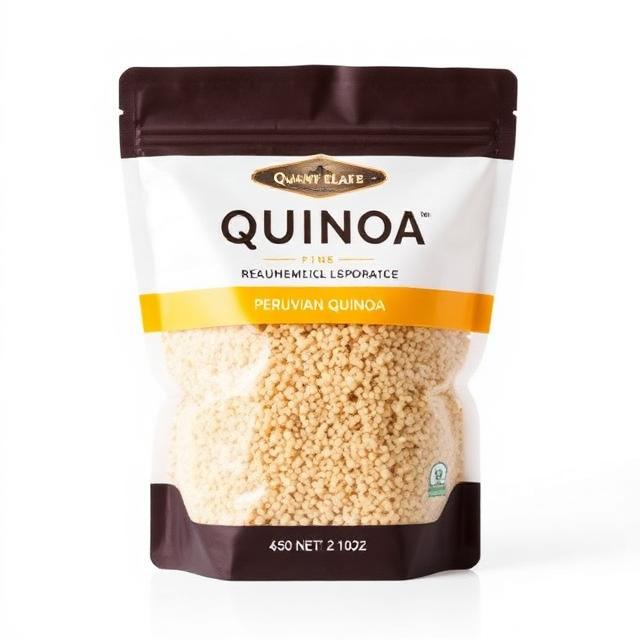
The next time you stand at the grocery aisle, pause at the “Mother of All Grains.” Feel the weight of tradition, the promise of nutrition, and the satisfaction of supporting sustainable agriculture. Add that elegantly sealed bag of Peruvian Quinoa to your cart, and embark on a culinary journey that stretches from the misty peaks of the Andes to the comfort of your own kitchen.
Happy cooking, and may every bite be as nourishing as the soil that grew it!
