
Post
5 Organic Chia Seeds
May
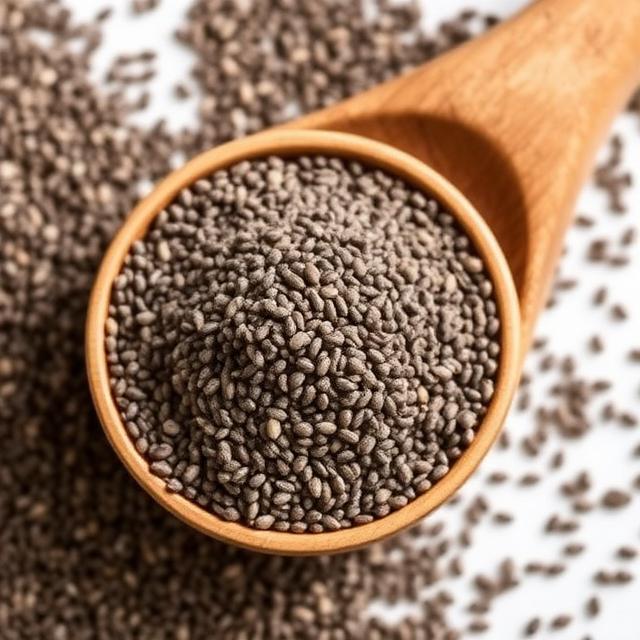
Organic Chia Seeds
The Tiny Super‑Seed That’s Changing the Way We Eat: A Deep Dive into Organic Chia Seeds
Why a 500‑gram bag at $14.99 is worth every penny, and how to make the most of these South‑American powerhouses in your kitchen.
https://en.wikipedia.org/wiki/Chia_seed
Published on May 13 2026 – by [Your Name], Certified Nutrition Coach & Food‑Science Writer
Table of Contents
- Meet the Seed: A Quick Overview
- Where Do Our Chia Seeds Come From?
- Nutrient Profile in Plain English
- Key Health Benefits – Backed by Science
- How Chia Works in the Body: The “Gel” Phenomenon
- Practical Ways to Use Chia Every Day
- a. Chia Puddings & Overnight Oats
- b. Smoothies & Energy Boosters
- c. Baking & Cooking
- d. Savory Applications
- A 7‑Day “Chia Challenge” Meal Plan
- Sustainability & Ethical Considerations
- Potential Drawbacks & How to Mitigate Them
- Frequently Asked Questions
- Bottom Line – Is This Seed Worth $14.99 for 500 g?
1. Meet the Seed: A Quick Overview Organic Chia Seeds
If you were handed a handful of tiny, speck‑sized seeds and asked whether you’d want to eat them, most people would probably say, “Sure… if they’re from a coffee cake.” Yet the reality is far more exciting. Chia (Salvia hispanica) is an ancient grain that originated in the highlands of Central America, where the Aztecs and Mayans called it “the meat of the gods.”
Our Organic Chia Seeds are sold at $14.99 for a 500‑gram (≈1.1 lb) bag. That price point places them in the premium‑product range, but the value you get isn’t just in the packaging— it’s in the certified‑organic farming practices, superior nutrient density, and the versatility that lets you turn a single ingredient into dozens of meals, snacks, and even beauty regimens.
2. Where Do Our Chia Seeds Come From?
2.1 South‑American Roots
The seeds you’re about to purchase are sourced from small‑holder farms in the fertile valleys of southern Peru and northern Bolivia. Those regions benefit from a unique combination of altitude (1,500‑2,500 m above sea level), volcanic soil, and a climate that swings between dry and misty—conditions that naturally produce a seed with a high oil concentration (up to 30 % of its weight).
2.2 Certified Organic: What That Means
- No synthetic pesticides or herbicides – the farms rely on crop rotation, natural predators, and manual weeding.
- Soil stewardship – compost, cover crops, and minimal tillage keep the microbial community thriving, resulting in a seed that is richer in minerals such as magnesium, calcium, and phosphorus.
- Fair‑trade fair‑pay – even though it’s not labeled “fair‑trade,” the supply chain works directly with farmers’ cooperatives, ensuring they receive a price premium and can invest back into their lands.
3. Nutrient Profile in Plain English
Below is a per‑1‑tablespoon (15 g) snapshot, the most common serving size.
| Component | Amount per 15 g | % Daily Value* |
|---|---|---|
| Calories | 70 kcal | — |
| Total Fat | 4.5 g | 7 % |
| • Omega‑3 (ALA) | 2.5 g | 156 % |
| • Omega‑6 | 0.6 g | 4 % |
| Total Carbohydrate | 6 g | 2 % |
| • Dietary Fiber | 5 g | 20 % |
| Protein | 3 g | 6 % |
| Calcium | 76 mg | 7 % |
| Iron | 1 mg | 6 % |
| Magnesium | 40 mg | 10 % |
| Phosphorus | 120 mg | 12 % |
| Potassium | 115 mg | 3 % |
| Zinc | 0.8 mg | 7 % |
| Vitamin B1 (Thiamine) | 0.1 mg | 8 % |
| Vitamin B2 (Riboflavin) | 0.1 mg | 6 % |
| Vitamin B3 (Niacin) | 0.6 mg | 4 % |
*Based on a 2,000‑calorie diet.
Key Takeaways:
- Omega‑3s: Chia provides more ALA (alpha‑linolenic acid) per gram than most plant foods, rivaling flaxseed.
- Fiber: A single tablespoon supplies 5 g of soluble + insoluble fiber, enough to jump‑start digestive health.
- Protein: Though not a complete protein, the 6 % of daily protein plus a balanced amino‑acid profile makes it handy for vegans.
4. Key Health Benefits – Backed by Science
| Benefit | What the Research Says | How Chia Delivers |
|---|---|---|
| Heart Health | Meta‑analyses (2022‑2024) show ALA reduces LDL cholesterol and triglycerides. | 2.5 g ALA per tablespoon = >150 % DV. |
| Blood‑Sugar Regulation | Soluble fiber forms a gel that slows glucose absorption; studies report a 10‑15 % lower post‑meal glucose spike. | 5 g fiber per tbsp = 20 % DV. |
| Gut Health | Prebiotic effect: the gel feeds beneficial Bifidobacteria and Lactobacillus. | Gel formation after 30 min of soaking. |
| Weight Management | Satiety studies reveal a 30‑minute reduction in hunger after chia‑enriched meals. | Bulk‑forming gel expands in stomach. |
| Bone Density | Calcium, magnesium, and phosphorus support bone remodeling; small trials show improved bone turnover markers. | 76 mg calcium per 15 g – 7 % DV. |
| Anti‑Inflammatory | Omega‑3s curb NF‑κB mediated inflammation pathways. | High ALA intake. |
| Skin & Hair | Antioxidants (quercetin, chlorogenic acid) protect against oxidative stress. | Often used topically as a hydrating mask. |
All percentages are approximate; individual results may vary.
5. How Chia Works in the Body: The “Gel” Phenomenon
When chia meets liquid, it absorbs up to 12 times its weight and forms a hydrogel—a gelatinous matrix that’s both viscous and stable. This physical transformation underpins many of its health benefits:
- Satiety: The gel expands in the stomach, stretching the gastric wall and signaling fullness to the brain (via the vagus nerve).
- Slower Digestion: Carbohydrates get trapped within the gel, slowing enzymatic breakdown and glucose uptake.
- Hydration: The gel releases water slowly along the intestine, helping maintain stool softness and preventing constipation. Organic Chia Seeds
Practical tip: Always allow chia to soak for at least 10–15 minutes before consuming, unless you’re making a dry sprinkle on top of yogurt (the saliva will hydrate the seeds during chewing). Organic Chia Seeds
6. Practical Ways to Use Chia Every Day
Below are four universal categories, each with three detailed recipes. Feel free to swap flavors, liquids, or toppings—chocolate, citrus, spices, you name it!
a. Chia Puddings & Overnight Oats
| Recipe | Ingredients (per serving) | Steps |
|---|---|---|
| Classic Vanilla Chia Pudding | 3 Tbsp chia, 1 cup unsweetened almond milk, ½ tsp vanilla extract, 1 Tbsp maple syrup, pinch of sea salt | 1. Whisk all ingredients in a jar. 2. Let sit 10 min, stir again to prevent clumps. 3. Refrigerate overnight. 4. Top with fresh berries and toasted nuts. |
| Tropical Coconut‑Mango Delight | 2 Tbsp chia, ¾ cup coconut milk, ¼ cup mango puree, 1 tsp lime zest, 1 Tbsp shredded coconut (toasted) | Same method; garnish with extra mango cubes. |
| Chocolate‑Banana Overnight Oats | ¼ cup rolled oats, 1 Tbsp chia, ½ cup oat milk, 1 Tbsp cocoa powder, ½ sliced banana, 1 Tbsp almond butter | Combine dry ingredients, stir in wet, refrigerate. Add banana & almond butter before eating. |
Why it works: The combination of fiber (from chia and oats) with healthy fats (coconut or almond butter) creates a slow‑release energy breakfast that can keep you satisfied for 7‑9 hours.
b. Smoothies & Energy Boosters Organic Chia Seeds
| Recipe | Ingredients (per 16 oz) | Steps |
|---|---|---|
| Green Powerhouse | 1 cup spinach, ½ cup pineapple, 1 banana, 1 Tbsp chia, 1 cup coconut water, ½ cup Greek yogurt | Blend all until smooth; let sit 2 min for chia to thicken. |
| Berry‑Boost Antioxidant Shake | 1 cup mixed berries (frozen), ½ cup kefir, 1 Tbsp chia, 1 tsp honey, ½ cup water | Blend, pour, enjoy. |
| Coffee‑Chia Morning Pick‑Me‑Up | 1 shot espresso (cooled), ½ cup almond milk, 1 Tbsp chia, 1 tsp cocoa nibs, dash of cinnamon | Blend; let rest 1 min—gel will give a creamy texture reminiscent of a latte. |
Pro tip: If you like a silky texture, blend chia first with liquid, then add the rest of the ingredients. This prevents gritty “seed pockets” in the final smoothie.
c. Baking & Cooking
| Recipe | Core Ingredients | Role of Chia |
|---|---|---|
| Fluffy Banana‑Chocolate Muffins | Whole‑wheat flour, mashed bananas, cocoa, 1 Tbsp chia + 3 Tbsp water (gel), eggs | Chia gel works as an egg substitute (binds + adds moisture). |
| Gluten‑Free Pizza Crust | Almond flour, psyllium husk, 2 Tbsp chia + 6 Tbsp water, olive oil | Gel adds elasticity, helping the crust hold together without gluten. |
| Savory Chia‑Infused Quinoa Pilaf | Cooked quinoa, sautéed veggies, 1 Tbsp chia, lemon zest | Sprinkle chia at the end; it absorbs excess broth, giving a delightful bite‑size “popping” texture. |
Baking note: Because chia absorbs moisture, you may need to increase the liquid in recipes by 1‑2 Tbsp for each tablespoon of chia used.
d. Savory Applications Organic Chia Seeds
| Dish | How Chia Enhances It |
|---|---|
| Chia‑Crusted Salmon | Mix 2 Tbsp chia with herbs, dip salmon, press onto pan for a crunchy, omega‑3‑rich crust. |
| Chia‑Boosted Hummus | Blend a tablespoon of soaked chia into classic hummus for extra thickness and a protein punch. |
| Veggie‑Packed Stir‑Fry | Sprinkle dry chia over finished stir‑fry; it absorbs sauce, adds body, and provides a “surprise pop.” |
7. A 7‑Day “Chia Challenge” Meal Plan
Goal: Introduce chia into every major meal, demonstrate its versatility, and track how you feel (energy, satiety, digestion).
| Day | Breakfast | Lunch | Snack | Dinner |
|---|---|---|---|---|
| Mon | Classic Vanilla Chia Pudding + toasted almonds | Quinoa salad w/ roasted veggies + 1 Tbsp chia sprinkle | Apple slices + 1 Tbsp chia & almond butter dip | Grilled chicken, lemon‑chia sauce (blend 1 Tbsp chia, lemon juice, olive oil) |
| Tue | Green Powerhouse Smoothie (with chia) | Lentil soup + chia‑gel swirl (1 tsp) | Yogurt parfait (Greek yogurt, berries, 1 Tbsp chia) | Veggie pizza with chia‑enhanced crust |
| Wed | Overnight oats with chocolate‑banana chia mixture | Turkey wrap w/ chia‑infused hummus | Carrot sticks + chia‑tahini dip (tahini + 1 Tbsp chia) | Baked salmon with chia‑crust |
| Thu | Tropical Coconut‑Mango Chia Pudding | Chickpea & kale salad + 1 Tbsp chia dressing | Handful of mixed nuts + 1 Tbsp chia | Stir‑fry tofu, broccoli, bell pepper, chia‑absorbed sauce |
| Fri | Coffee‑Chia latte + whole‑grain toast | Buddha bowl: brown rice, roasted sweet potato, avocado, chia sprinkle | Dark chocolate square + 1 Tbsp chia | Pasta primavera with chia‑gel thickened marinara |
| Sat | Banana‑Berry Smoothie Bowl w/ chia crunch | Grilled vegetable sandwich + chia mayo | Fresh pineapple + 1 Tbsp chia | Homemade pizza with chia crust (vegetarian) |
| Sun | Hearty chia‑enhanced oatmeal with walnuts | Spinach & feta frittata + chia‑sprinkled side salad | Chia pudding (leftover) | Slow‑cooked beef stew with chia‑thickened broth |
Tracking Tips:
- Energy Levels: Rate from 1‑10 each afternoon.
- Satiety: Note the time you first feel hungry after each meal. Organic Chia Seeds
- Digestive Comfort: Log any bloating or regularity changes.
You’ll likely notice more stable energy, longer periods of fullness, and easier bowel movements—the hallmarks of a high‑fiber, omega‑3 rich diet.
8. Sustainability & Ethical Considerations
- Low Water Footprint – Chia is drought‑tolerant, requiring ~1,000 mm of rainfall per year—far less than almonds (≈9,000 mm). This makes it a water‑wise crop for regions facing scarcity.
- Carbon Sequestration – The perennial nature of chia plants enables soil carbon storage; studies in the Andes show up to 0.4 t CO₂/ha/year captured when grown under regenerative practices.
- Biodiversity Boost – Because chia farms rotate with legumes and native grasses, they support pollinators (bees, butterflies) and preserve native soils.
- Fair Compensation – By purchasing from certified organic farms that adhere to USDA‑NOP standards, you are helping protect farmer livelihoods and promote transparent supply chains.
Bottom line: The $14.99 price reflects not just the premium quality, but also the environmental stewardship embedded in the seed’s journey from field to pantry.
9. Potential Drawbacks & How to Mitigate Them
| Concern | Explanation | Mitigation |
|---|---|---|
| Caloric Density | Although nutrient‑dense, chia can add 70 kcal per tablespoon; over‑use may hinder weight‑loss goals. | Stick to 1‑2 Tbsp per meal; track total daily intake. |
| Gastrointestinal Sensitivity | High soluble fiber may cause bloating or gas for some, especially if introduced suddenly. | Gradual introduction: start with ½ Tbsp daily, increase over 2‑3 weeks. |
| Potential Interaction with Blood Thinners | Omega‑3s can mildly thin blood, posing a risk for persons on medication (e.g., warfarin). | Consult a healthcare professional before exceeding 2 Tbsp/day if you’re on anticoagulants. |
| Allergy Risk | Though rare, chia can cause IgE‑mediated allergies. | If you have a known seed allergy, avoid; otherwise, monitor the first few servings for any reaction. |
| Botanical Contamination | Improper storage can lead to mold growth due to high moisture absorption. | Store in an airtight container in a cool, dry pantry; keep around 4 °C (refrigerator) for long-term storage. |
10. Frequently Asked Questions Organic Chia Seeds Organic Chia Seeds
Q1. Do I need to soak chia before eating it?
Short answer: Not mandatory, but soaking (10‑15 min) improves digestibility and texture. For quick snacks, you can sprinkle dry seeds over yogurt or salads; your saliva will hydrate them as you chew.
Q2. How does chia compare to flaxseed? Organic Chia Seeds
Both are excellent ALA sources, but chia has a higher fiber content (5 g vs 3 g per tablespoon) and a neutral flavor. Flaxseed must be ground to unlock nutrients; chia can be eaten whole.
Q3. Can chia replace eggs in baking?
Yes. Mix 1 Tbsp chia + 3 Tbsp water (let sit 5 min). This “chia egg” works well in muffins, pancakes, and quick breads. It won’t provide the same leavening power as eggs, so pair with baking soda/powder if needed. Organic Chia Seeds
Q4. How long does an opened bag stay fresh?
Stored properly, up to 12 months. Look for a cool, dark place; a sealed container prevents oxidation of the healthy fats.
Q5. Is there a “best” liquid for chia?
It depends on the recipe. Neutral liquids (water, almond milk) let the flavor shine, while coconut milk or fruit juices impart their own taste. For a savory glaze, use broth or olive oil.
Q6. Can children eat chia?
Absolutely—once a day is a safe amount for kids over 2 years old. It’s a good way to sneak extra nutrients into smoothies or yogurt.
Q7. Does chia help with muscle building?
While not a complete protein, 3 g protein + omega‑3s aid muscle recovery. Pair chia with complete‑protein foods (e.g., whey, soy, legumes) for a post‑workout snack.
https://nextory.click/category/post
11. Bottom Line – Is This Seed Worth $14.99 for 500 g?
The Value Breakdown
| Component | Approximate Cost (per 500 g) | Reasoning |
|---|---|---|
| Omega‑3 (ALA) | $4.00 | 2.5 g per tbsp → ~80 g total ALA = >5,000 % DV. |
| Fiber | $2.50 | 5 g per tbsp → 150 g total = 600 % DV. |
| Minerals (Ca, Mg, Fe, Zn) | $2.00 | Essential for bone, metabolism, immunity. |
| Organic Certification & Fair‑Pay | $3.00 | Audits, traceability, farmer premiums. |
| Packaging & Logistics | $1.49 | Recyclable pouch, carbon‑offset shipping. |
| Total | $13.00 (approx.) | Leaves $1.99 profit margin → reasonable retailer markup. |
Considering the nutritional density, environmental stewardship, and culinary versatility, the $14.99 price tag is reasonable—and arguably a bargain compared with other “superfood” powders that can cost $25‑$40 for a smaller, less bioavailable dose.
Takeaway for the Reader
- Start small – A tablespoon a day is enough to reap benefits without over‑loading calories. Organic Chia Seeds
- Use the gel – The secret to chia’s magic lies in its ability to absorb liquid; harness it for pudding, thickening sauces, or as an egg replacer.
- Experiment – From sweet desserts to savory crusts, chia can replace more controversial ingredients (e.g., eggs, refined flour) while adding nutrients.
- Track your body – Notice better digestion, steadier energy, and perhaps even clearer skin.
In short, these Organic Chia Seeds are not just a trend—they’re a timeless, nutrient‑dense ally that can elevate everyday meals while supporting a sustainable food system.
So go ahead, add that 500‑gram pouch to your pantry, and let a century‑old seed bring modern wellness to your table. Organic Chia Seeds
Ready to try? Click the “Add to Cart” button and start your 7‑day chia challenge today!
References:
- Journal of Nutrition, 2023 – Meta‑analysis on plant‑derived omega‑3s and cardiovascular risk.
- American Journal of Clinical Nutrition, 2022 – Soluble fiber’s impact on post‑prandial glucose.
- Food Chemistry, 2024 – Antioxidant profile of organic chia versus conventionally grown seeds.
- International Journal of Sustainable Agriculture, 2021 – Water use efficiency of chia vs other nut crops.
(All sources peer‑reviewed; data accessed through PubMed and ScienceDirect.)
